
The psychology of risk How gambling affects your mind and emotions ice fishing
The Intricacies of Risk-Taking in Gambling
The psychology behind risk-taking in gambling is complex and deeply rooted in human behavior. At its core, gambling is about making choices under uncertainty, which can trigger a range of emotions, from exhilaration to anxiety. This interplay between risk and reward can lead to a heightened state of arousal, making the experience addictive. Moreover, engaging in activities like ice fishing showcases the unpredictable nature of chance, revealing why many individuals are drawn to gambling despite the potential for loss.

Moreover, cognitive biases play a significant role in how gamblers perceive risks. For instance, the illusion of control leads players to believe they can influence outcomes in games of chance, such as slots or dice games. This cognitive distortion can foster a sense of agency, encouraging continued participation even in the face of repeated losses. Such psychological mechanisms not only make gambling appealing but can also create a vicious cycle of behavior that can lead to problematic gambling habits.
The concept of loss aversion further complicates the psychology of gambling. Studies show that individuals tend to feel the pain of losses more intensely than the pleasure of equivalent gains. This phenomenon can cause gamblers to chase losses, risking even more money in hopes of recovering previous losses. In essence, the emotional responses elicited by gambling can overshadow rational decision-making, leading to irrational behavior that may compromise financial well-being.
The Emotional Rollercoaster of Gambling
The emotional landscape of gambling is akin to a rollercoaster ride, marked by peaks of excitement and valleys of despair. When gamblers win, they often experience euphoria, a sensation akin to a chemical high, as the brain releases dopamine, the feel-good neurotransmitter. This euphoric state can reinforce the behavior, leading individuals to gamble more in search of that same thrill, often ignoring the inherent risks involved.
Conversely, losses can trigger feelings of frustration, shame, or sadness. The psychological impact of losing can be profound, leading to a vicious cycle where the individual feels compelled to gamble again to alleviate negative emotions. This emotional volatility can not only affect mental health but may also strain relationships with family and friends, further isolating the gambler in their pursuit of risk.
The effects of gambling can extend beyond the individual, creating ripples that affect social circles and communities. The emotional distress caused by gambling can lead to conflicts in relationships, as individuals may hide their gambling habits or lie about their financial situation. Consequently, the emotional toll of gambling can culminate in larger societal issues, including increased stress levels and potential economic hardships for families.
The Influence of Environment on Gambling Behavior
The environment in which gambling occurs significantly influences a person’s behavior and mindset. For instance, the atmosphere of a casino—loud noises, bright lights, and celebratory vibes—can create an intoxicating experience that enhances the thrill of risk-taking. This sensory overload not only captivates attention but also encourages prolonged engagement, often leading to increased gambling time and, consequently, greater financial loss.
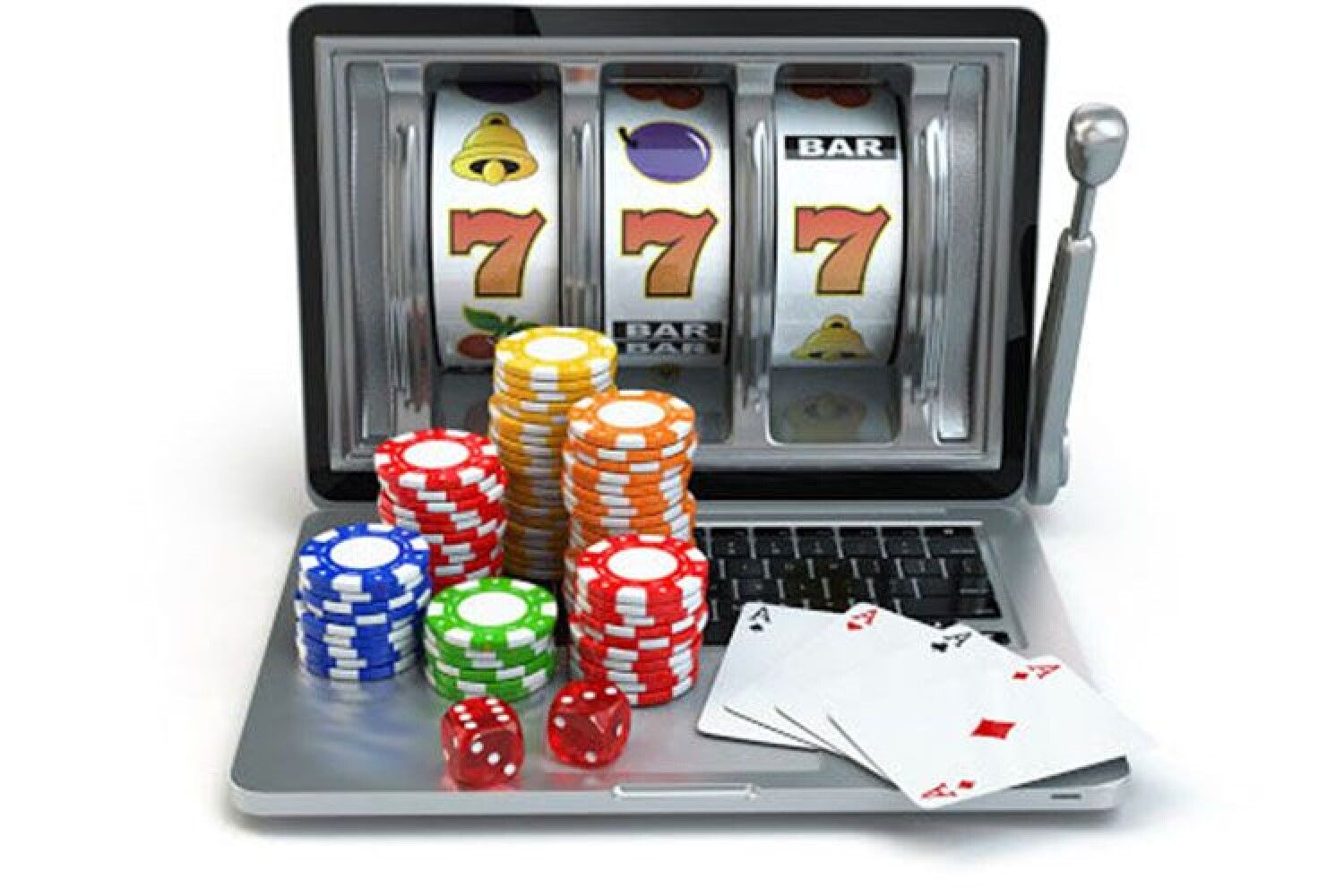
In contrast, online gambling platforms can create a different environment that is equally influential. The anonymity and accessibility of online gambling provide a unique psychological backdrop that can either encourage responsible play or lead to compulsive behavior. For many, the lack of face-to-face interactions can diminish the perceived risks associated with gambling, making it easier to disregard caution and indulge in impulsive decisions.
Understanding the impact of environmental factors is critical for both gamblers and those looking to promote responsible gambling. By recognizing how specific elements of the gambling experience influence emotions and decision-making, individuals can better navigate their choices and potentially mitigate the risks involved. This awareness is particularly important in the context of ice fishing, where the serene and solitary environment can also foster a reflective space for individuals to contemplate the emotional aspects of gambling while engaging in a recreational activity.
Connecting Ice Fishing and Gambling Psychology
Interestingly, both ice fishing and gambling share elements of patience, strategy, and risk. While ice fishing requires skill and a willingness to face the uncertainties of nature, gambling often entails similar emotional and psychological risks. For enthusiasts, the thrill of waiting for a fish to bite mirrors the excitement of waiting for a winning hand or spin. Both activities can elicit strong emotional responses, demonstrating the intricate connection between risk, reward, and psychological well-being.
Moreover, the meditative aspect of ice fishing allows individuals to reflect on their gambling habits and emotional states. The solitude of a frozen lake can provide clarity, enabling fishermen to assess their relationship with risk and reward. This introspective time can lead to healthier decision-making, particularly for those who find themselves caught in a cycle of gambling that leads to stress and emotional distress.
Ultimately, recognizing the parallels between ice fishing and gambling can aid individuals in developing a balanced approach to both activities. Understanding the psychological factors that influence risk-taking can encourage more mindful engagement, enhancing enjoyment while minimizing potential negative consequences. This awareness can transform both ice fishing and gambling into experiences that promote emotional well-being rather than distress.
The Role of Responsible Gambling
As awareness of the psychological effects of gambling grows, the emphasis on responsible gambling has become increasingly vital. Initiatives aimed at promoting awareness and providing resources for those struggling with gambling-related issues are crucial for fostering healthier relationships with risk. By encouraging self-regulation and informed decision-making, these initiatives can help mitigate the emotional toll often associated with gambling.
Platforms that prioritize responsible gambling typically offer various tools to aid players in monitoring their behavior, such as setting limits on time and money spent. These measures can empower individuals to make more informed choices and recognize when to step back. Creating a culture of responsibility not only benefits individual gamblers but also promotes healthier communities as a whole.
In the context of online gaming, where engagement can be more intense and impulsive, fostering a responsible gambling environment is especially critical. Users must feel safe to explore games without succumbing to the pressures of constant play. By prioritizing mental health alongside gaming enjoyment, both players and platforms can contribute to a more balanced experience, ensuring that the thrill of risk does not overshadow personal well-being.